Team

We bring together planetary modelers, experimentalists, data curators, and software developers to make equation-of-state data easier to find and use.

Filter

10 team members

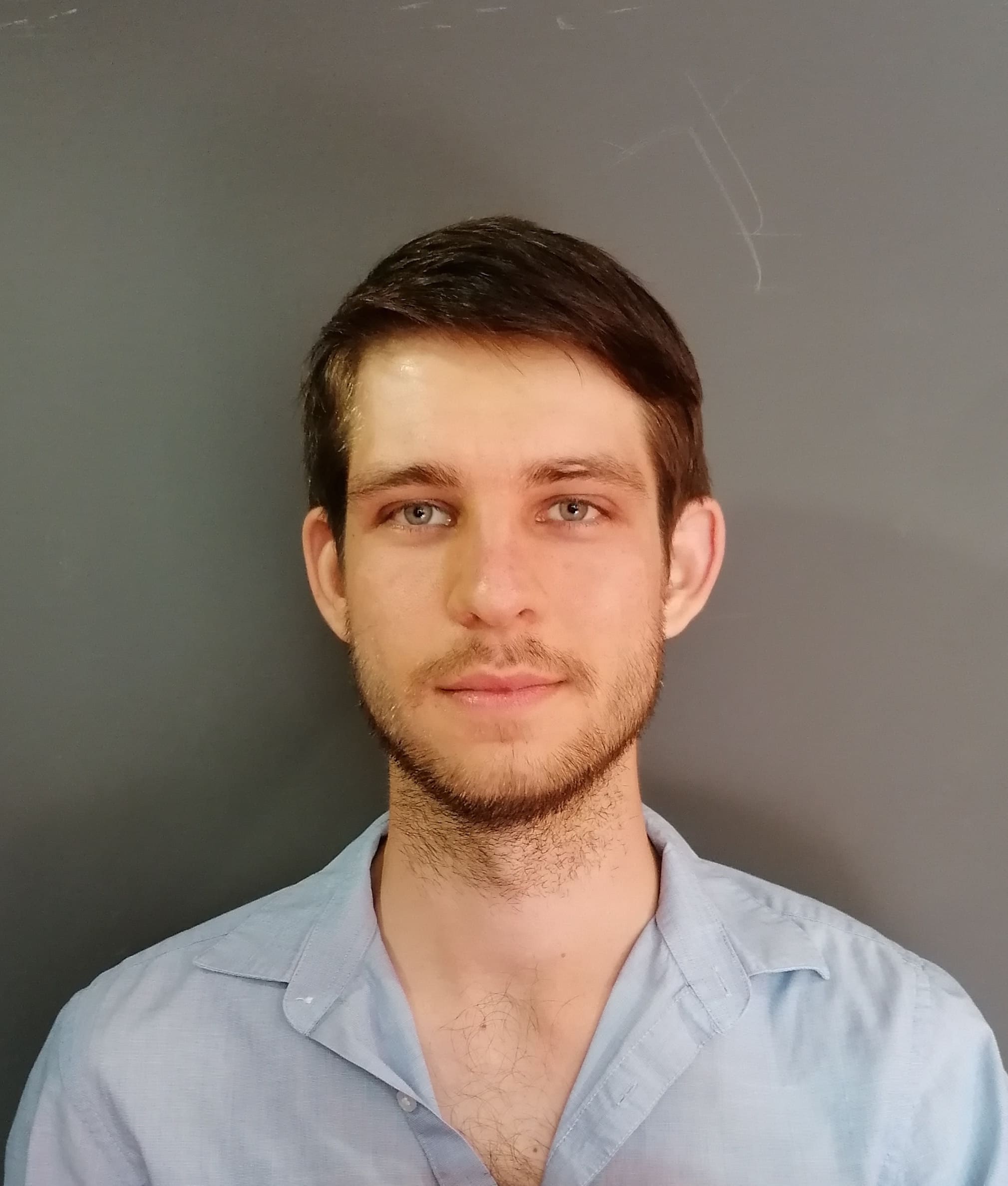
Artem Aguichine

Artem Aguichine

Instituto de Astronomía, UNAM

https://an0wen.github.io

Artem studies planet formation, evolution, and interior structure through theoretical and numerical models, with particular interest in volatile-rich planets and water worlds. He coordinates PEARL’s scientific direction, data architecture, and curation standards on both the frontend and backend.
David Rice

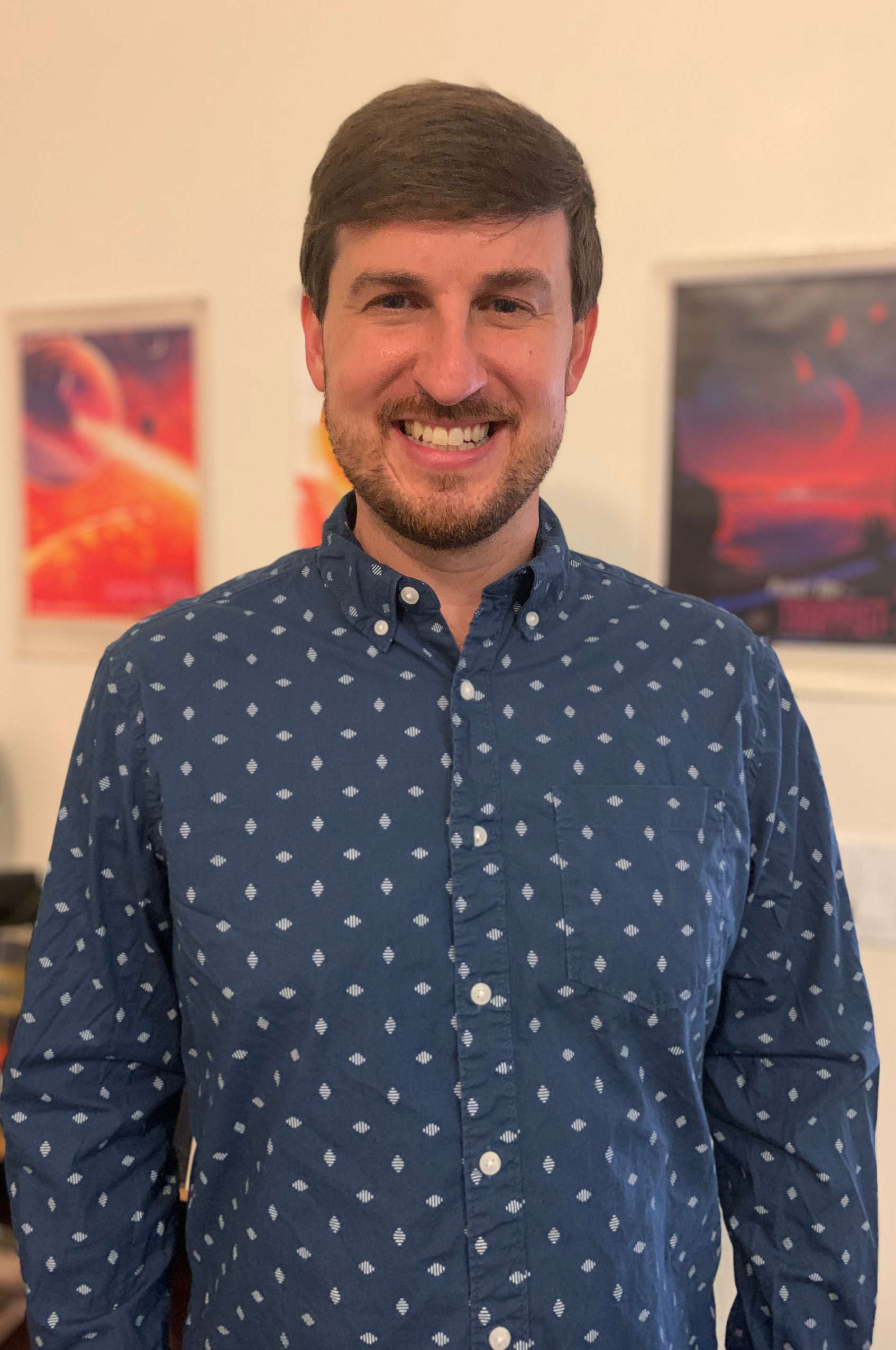
David Rice

University of Wisconsin-Madison

https://davidrrice.github.io

David develops computational tools for interpreting planetary interiors, including the open-source Magrathea structure solver. His work connects equation-of-state measurements with reproducible models of rocky, icy, and volatile-rich planets with a focus on exoplanet demographics.

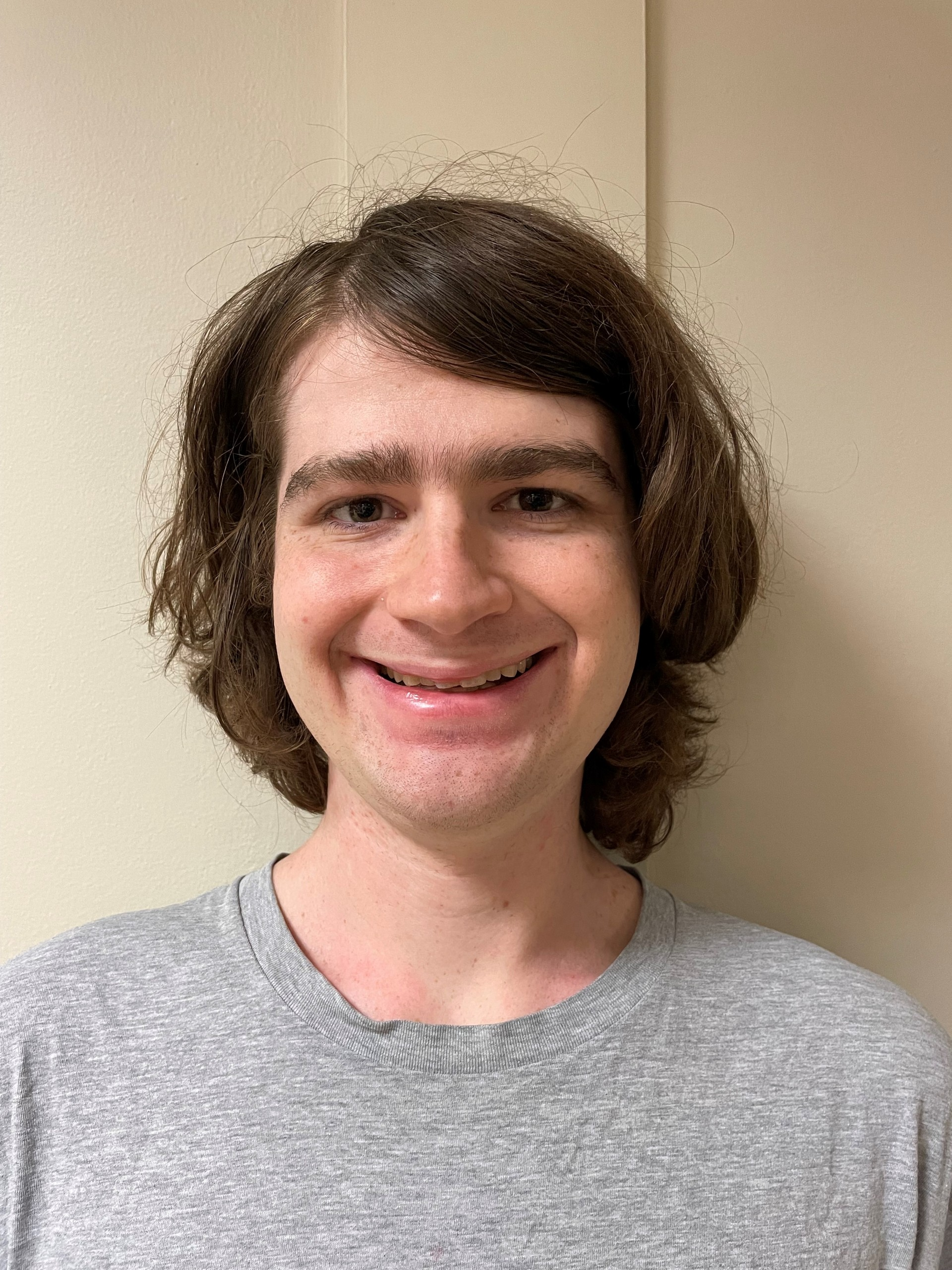
Philipp Baumeister

Freie Universität Berlin

https://philippbaumeister.github.io/

Philipp models the structure, thermal evolution, and habitability of low-mass planets, including machine-learning approaches for rapid interior inference. He leads development of PEARL’s web platform and contribution tools.

Mandy Bethkenhagen

CNRS · LULI, École Polytechnique

Mandy investigates materials under extreme planetary conditions using first-principles molecular dynamics and high-energy-density physics. Her expertise includes thermodynamics, phase transitions, and mixtures relevant to giant-planet interiors.

Marina Cano Amoros

German Aerospace Center (DLR)

Marina studies the structure and evolution of Uranus and Neptune, with a focus on how hydrogen–water phase separation shapes their layered interiors. She works at the interface of phase-diagram data and planetary structure models.

Francesca Miozzi

ETH Zürich · University of Pavia

Francesca uses high-pressure and high-temperature experiments to probe mineral properties, phase behavior, and volatile–magma interactions in planetary interiors. Her work links laboratory measurements to the composition and evolution of rocky exoplanets.

Nadine Nettelmann

University of Rostock

Nadine develops structure and evolution models for Solar System giants and exoplanets. She specializes in connecting equations of state, gravity measurements, composition, and thermal histories to constrain otherwise inaccessible planetary interiors.

Bennett Neil Skinner

Bennett Neil Skinner

McMaster University

Bennett studies the interiors of planets across a variety of compositions, including super-Mercuries, Earth-like planets, steam worlds, and H/He-enriched gas dwarfs. Bennett's primary interest is in inferring the compositions of observed planets for comparison to planet formation theory using state-of-the-art interior structure models including a comprehensive set of physical processes as well as the latest EOS. Bennett assists in integrating the latest EOS employed in their works into the PEARL database.

Mara Attia

Mara Attia

Kapteyn Astronomical Institute, University of Groningen

https://maraattia.github.io/

Mara studies the coupled evolution of exoplanet interiors, atmospheres, and orbits, with a focus on super-Earths and sub-Neptunes. Their work includes phase-aware equations of state, interior melting, atmospheric escape, and computational tools for reconstructing planetary histories.

Hugo Vivien

Laboratoire d’Astrophysique de Marseille

Hugo works on exoplanet detection and characterization, combining numerical models with machine-learning methods for transit surveys. His research also includes the stability and observable properties of low-mass planets with volatile-rich interiors.

Emily Sandford

Leiden University

https://esandford.github.io/

Emily studies the interiors of gas giant planets and brown dwarfs, particularly the young, directly imageable population.

Interested in contributing? Become a member!

PEARL welcomes data curators, experimentalists, modelers, and developers.

PEARL membership form